
Reviewed · PRIVATE
Plain of jars private tour
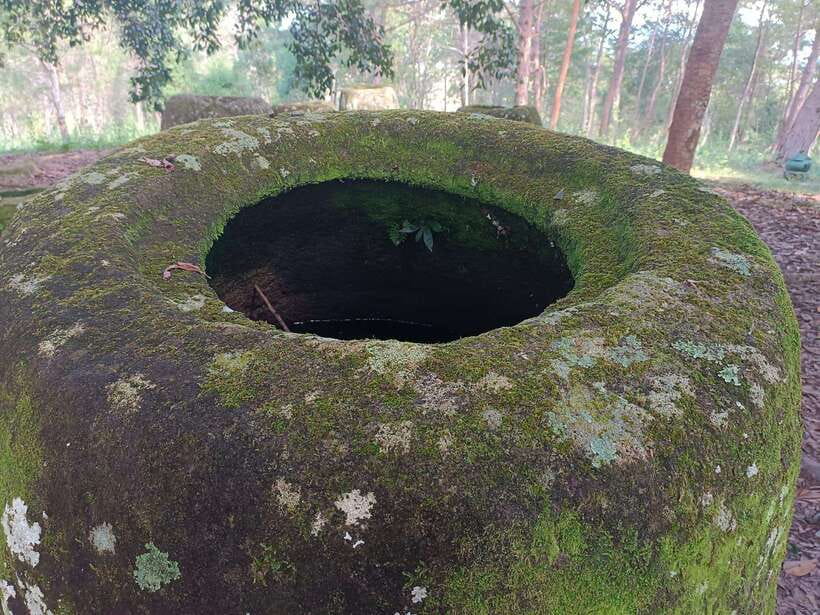
The most striking part of this tour is the chance to visit all three major Plain of Jars sites in one well-planned day. More than 1,000 stone jars are scattered across Xiangkhouang Province, and each site gives you a different setting, from rice fields to hilltop views.
I like the mix of archaeology and ordinary village life. I also like that the tour includes Muang Khoun, the former provincial capital, rather than treating the jars as an isolated stop. The main drawback is the long day, with several hours of driving and walking, plus a spoon-making village that may feel less rewarding if your main interest is ancient sites.
Key points to know before booking
- Three jar sites in one day: Visit Sites 3, 2, and 1, including the largest site with 334 jars.
- A private guide and vehicle: Travel from Phonsavan in an air-conditioned vehicle with an English or Thai-speaking guide.
- Rice-field walking at Site 3: Reach the jars by walking through fields while your guide explains rice planting.
- Ban Naphia’s war-spoon craft: See a family workshop making spoons from recycled wartime metal.
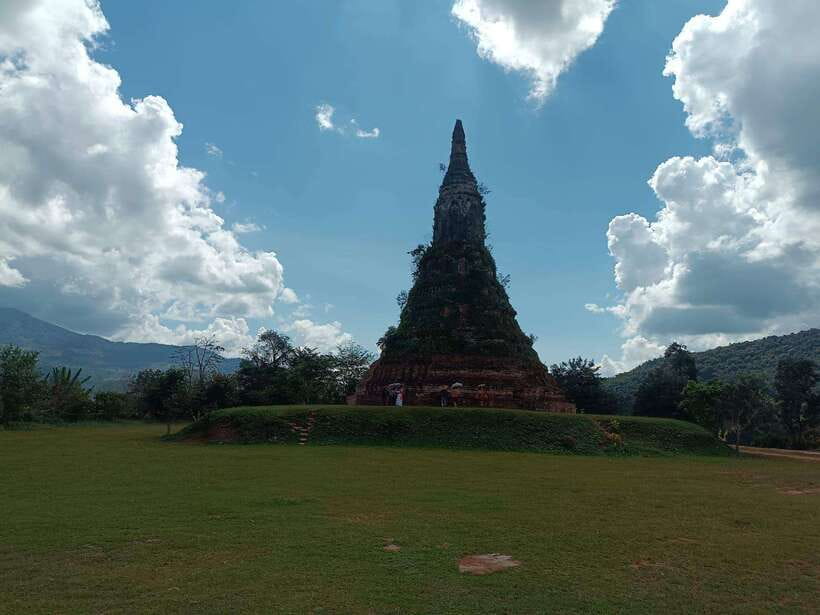
- Muang Khoun’s wartime ruins: Visit Wat Phia Wat and That Foun, remains from the Vietnam War period.
- Good value at $110 per person: Lunch, entrance fees, taxes, transport, and guiding are included.
Why the Plain of Jars deserves a full day
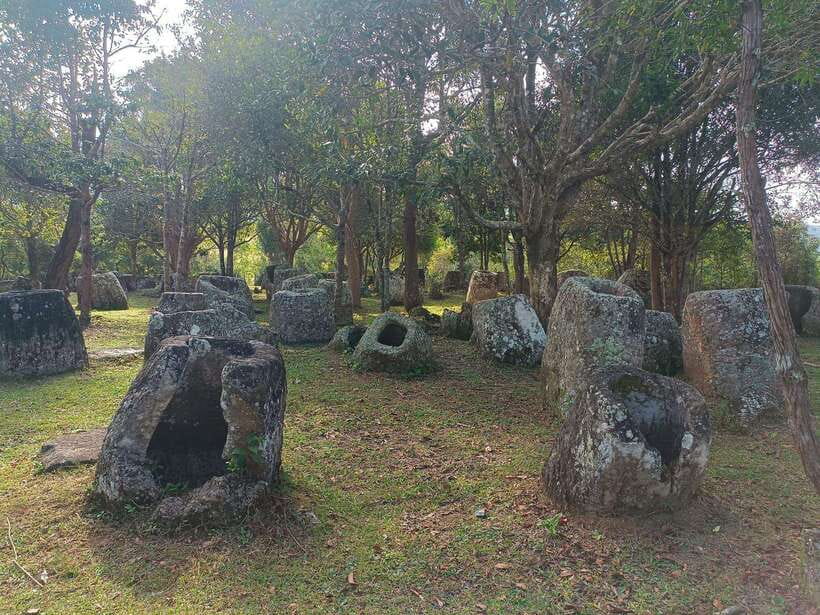
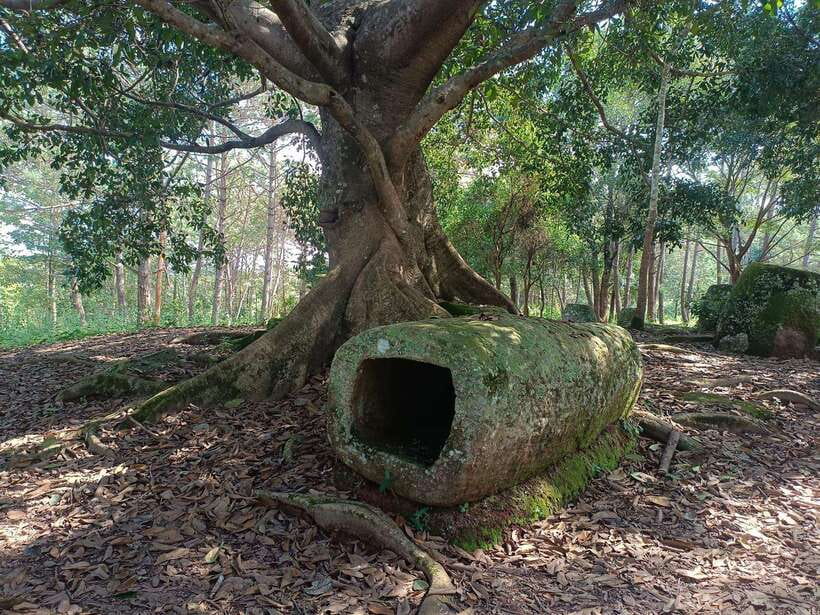
The Plain of Jars is Laos’s largest archaeological site, spread across the hills and open country around Phonsavan. The name is simple, but the experience is unusual: enormous stone jars sit in groups across grassy ground, with no clear explanation of their original purpose.
That uncertainty is part of the appeal. You are not walking through a neatly restored monument with every question answered. You are looking at ancient objects whose makers, dates, and uses remain subjects of study. A good guide helps turn the visit from a series of stone containers into a human story about burial practices, movement, and the long history of Xiangkhouang.
This private tour is useful because the sites are spread out. You do not need to arrange separate transport to each location, and the route adds villages, old religious remains, and local scenery around the main archaeological stops. You get a broad view of the province rather than a quick visit to only Site 1.
The price is $110 per person. That is not the cheapest way to see the jars, but it covers an air-conditioned vehicle, lunch, entrance fees, taxes, and a private group. For a small party that wants a full day without piecing together local transport, the package offers solid value.
More Plain of Jars trips from Laos
- Plain of jars tour with local guide
★ 4.5 · 8 reviews - Plain of jars share group tour
★ 5.0 · 4 reviews - 3 Days The Plain of Jars and Xieng Khouan (Depart from Luang Prabang)
★ 5.0 · 3 reviews
8:30 AM pickup in Phonsavan
The day begins with pickup at your hotel in Phonsavan at about 8:30 AM. Enter the correct pickup address when booking, since the service includes pickup within the stated area.
You will spend much of the day on the road between the sites, so the air-conditioned vehicle matters. Xiangkhouang sightseeing is not built around one compact archaeological park. The three jar sites are separate, and the old capital and village stop add more distance.
The private format gives you more room to ask questions and adjust the pace within the fixed route. The guide speaks English or Thai, and the tour is suited to people who want explanation rather than simply a driver pointing out the next stop.
Ban Naphia and the making of war spoons
The first stop is Ban Naphia, where a family produces metal spoons from recycled wartime material. The workshop makes about 1,000 spoons a day for sale in local markets.
This is an unusual stop because it connects present-day village work with the difficult recent past of the province. The objects are useful household items, but their source material gives them a heavier meaning. You see how a community has turned remnants of war into something practical and saleable.
The visit lasts about an hour. You can expect to see the family production process and browse handicrafts. Personal purchases are not included, so bring spending money if you want a spoon or another item.
I would treat this as a secondary stop, not the reason to book the tour. If your main goal is archaeology, the village may feel less important than the three jar sites. One Canadian visitor found the spoon stop less compelling because it involves recycling armaments, while finding the jar sites especially worthwhile. That is a fair warning: the workshop is thought-provoking, but it may not appeal to everyone.
Site 3: a walk through the rice fields
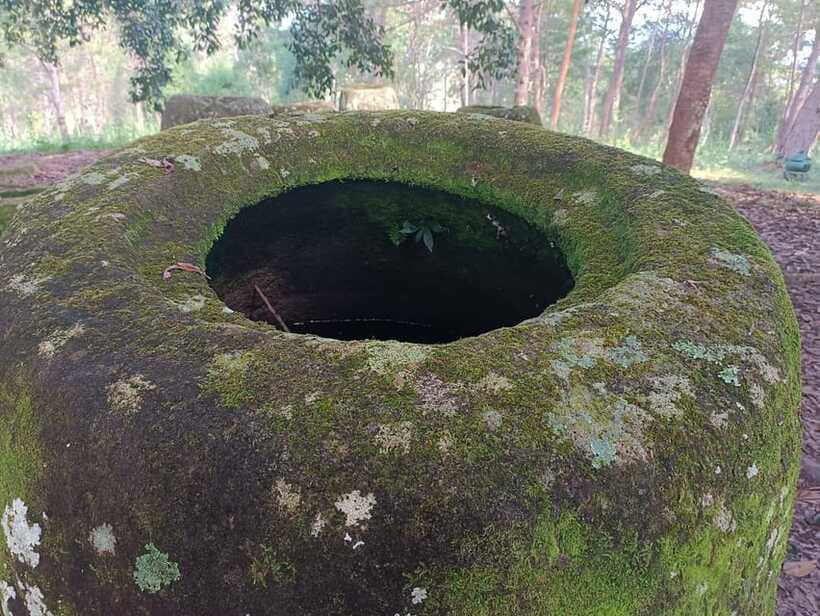
Around 10:00 AM, you continue to Plain of Jars Site 3 at Ban Xieng Di. The drive from Ban Naphia takes about 10 minutes, followed by a walk through rice fields to reach the jars.
This is one of the more appealing parts of the route because you see the jars in a setting connected to daily rural life. The guide explains rice planting as you walk, giving the stop more context than a simple archaeological viewing platform.
The guided portion lasts about an hour. You should be ready for outdoor walking and uneven ground. The supplied information does not give a precise distance or surface condition, so sensible shoes are a good idea.
Site 3 is not the largest collection, but it may be the most relaxed introduction to the subject. The walk slows you down before the larger sites, and the combination of fields, hills, and scattered jars gives you a clearer sense of how widely the objects are placed.
A few more trips around Laos worth a look
- Vientiane Cultural Tour with Private Guide
★ 5.0 · 80 reviews - Luang Prabang Private Minivan
★ 4.5 · 36 reviews - Vientiane: Private Full-Day Tour with Buddha Park and Lunch
★ 4.8 · 33 reviews - Private Tour: Vientiane City Tour Full Day with Buddha Park
★ 4.5 · 32 reviews
Site 2 at Ban Nakho and the Phou Salato hills
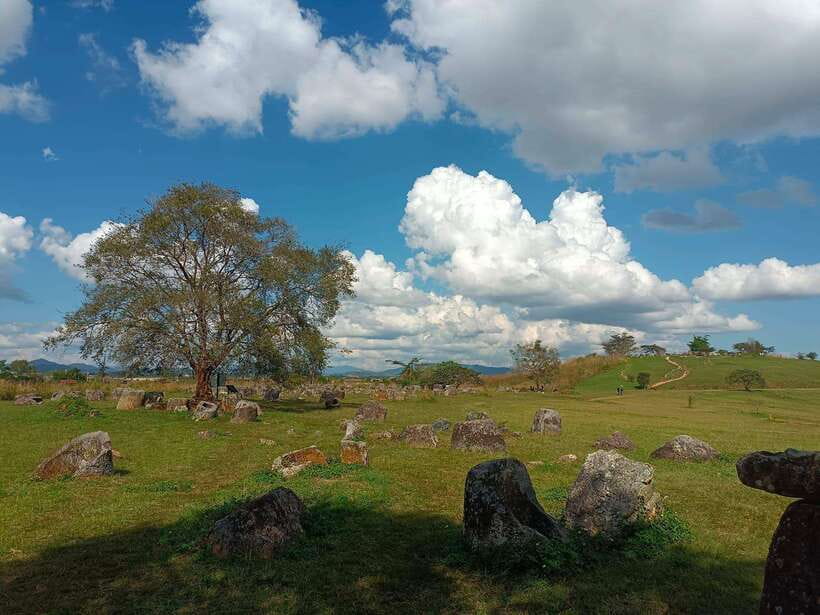
The next stop is Plain of Jars Site 2 at Ban Nakho, reached at about 11:45 AM. This site has around 100 jars spread across two hills, with views toward the Phou Salato mountain area.
The hilltop setting gives Site 2 a different character from Site 3. Instead of seeing jars beside fields, you get a wider view over the surrounding country and a better feel for the scale of Xiangkhouang’s open spaces.
Your guide leads the visit for about an hour. Listen for the explanations that help you compare the sites. The point is not simply to count jars, but to notice how their placement and surroundings change from one location to another.
The hills also mean some walking and possibly slopes. The tour does not state a specific fitness requirement, but you should be comfortable walking outdoors for an hour at each main site. If you prefer a very gentle sightseeing day, this schedule may feel active.
Local lunch at Ban Nakho
Lunch is planned for about 12:30 PM at a local restaurant in Ban Nakho. A local menu is included, along with entrance fees and taxes.
This is a practical break in the middle of the day. You do not need to arrange food between sites, and the stop keeps the route moving. The exact dishes are not specified, so do not book this expecting a particular menu or dietary arrangement that has not been confirmed.
The lunch stop also keeps the day connected to local communities instead of making the tour feel like a string of roadside attractions. At $110 per person, including lunch and admissions, these small conveniences add up.
Muang Khoun, the former provincial capital
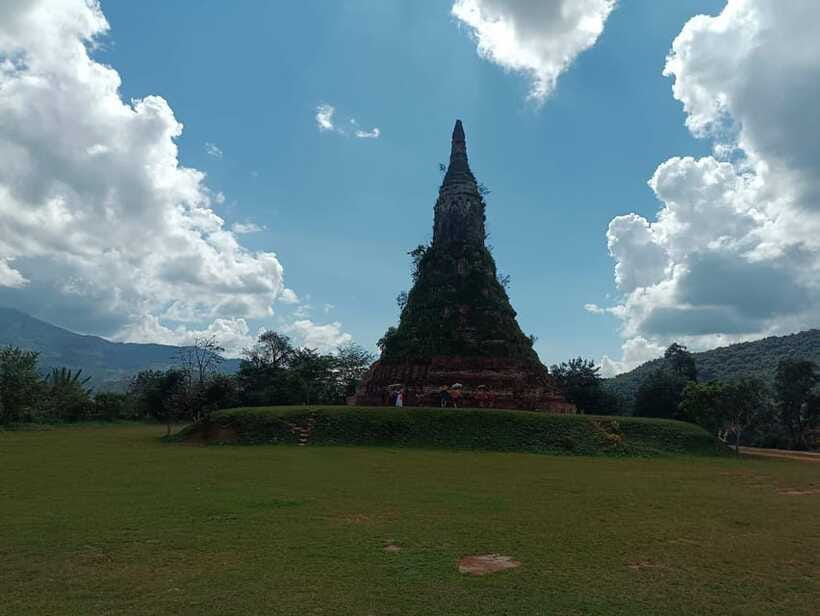
At about 2:30 PM, the tour visits the ruins of Muang Khoun, once the capital of Xiangkhouang Province. The stops include Wat Phia Wat and That Foun, which remain after the destruction and disruption connected with the Vietnam War.
This part of the day adds a different layer to the province’s story. The jars take you far into the past, while Muang Khoun brings you closer to the conflicts that shaped modern Xiangkhouang. Seeing both in one day helps explain why the area cannot be understood through archaeology alone.
The guided visit lasts about 30 minutes at one listed location, with around 20 minutes at That Foun. That is enough time for a focused look, but not a long historical walk. If you are especially interested in temples or wartime history, you may wish the schedule allowed more time here.
Still, the stop earns its place. The route is not only about famous objects; it also shows the remains of a former center of provincial life.
Site 1: the largest group of jars
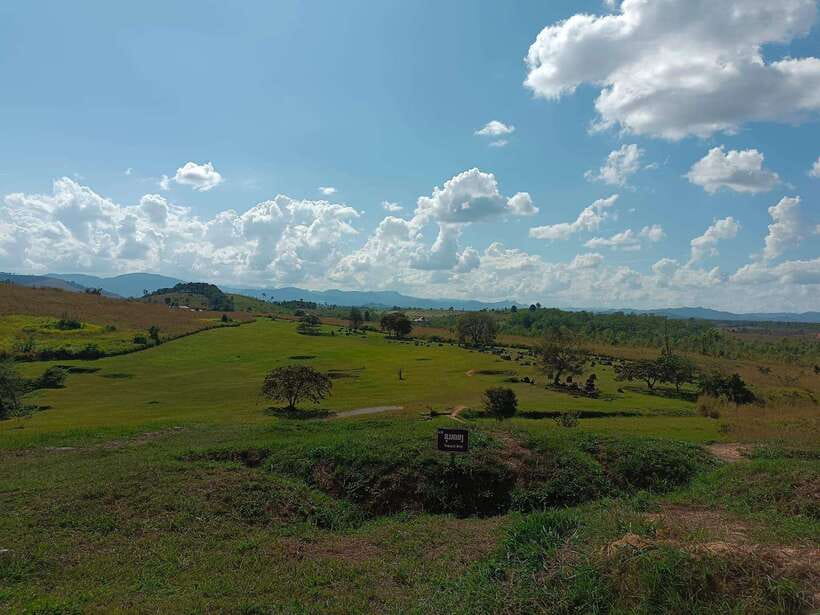
The tour reaches Plain of Jars Site 1 at about 3:50 PM. This is the largest and best-known site on the route, with 334 jars.
Site 1 is the grand finale for good reason. After seeing smaller groups at Sites 3 and 2, you can compare the scale directly. The larger concentration makes it easier to understand why the Plain of Jars is such an important archaeological area in Laos.
The guided visit lasts about an hour. Your guide can help you look past the number of jars and notice the arrangement, size differences, and setting. You may also find Site 1 the easiest place to grasp the overall importance of the area because the collection is more extensive.
The timing is worth noting. You arrive late in the afternoon, after a full day of stops. That can be pleasant, since the heat and pace of midday are behind you, but you may also feel tired by this point. If you want to study every jar at length, the one-hour visit may seem short.
Wat Hai Heen and the return to Phonsavan
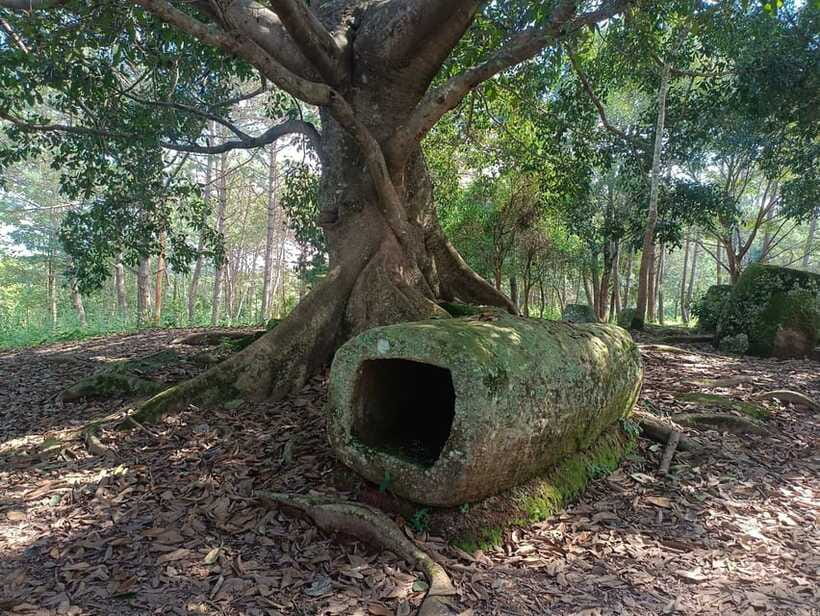
After Site 1, the vehicle passes Wat Hai Heen, also called Thonghaiheen Xaiyalam Temple. The route includes a brief look at its large Buddha statue before returning to Phonsavan at about 4:45 PM.
This is a pass-by stop rather than a full guided visit, so keep your expectations modest. It gives the drive home a final point of interest without adding another long visit to an already busy day.
The total schedule runs from about 8:30 AM to 4:45 PM. You receive a packed day, but the timing is clear enough to help you judge the pace. The tour is best for someone who wants to see the main highlights in one day, not someone hoping for long, unplanned pauses.
What the $110 price really includes
At $110 per person, this is a bundled private excursion rather than a basic transfer service. The included items are:
- Air-conditioned transportation
- English or Thai-speaking live guide
- Lunch at a local restaurant
- Entrance fees
- Taxes and other listed fees
- Hotel pickup and return in Phonsavan
- Private group arrangement
The private format is the main value. You avoid arranging separate rides to three archaeological sites and the additional cultural stops. You also have a guide available throughout the day, which matters at a place where the visible objects raise more questions than they answer.
The price does not include soft drinks or personal purchases. Ban Naphia gives you a clear chance to buy handicrafts, so carry some extra money if that interests you.
Free cancellation is available up to 24 hours before the tour for a full refund. You can also reserve and pay later, which is useful when your Phonsavan schedule may change. These policies do not alter the sightseeing itself, but they reduce the risk of committing too early.
Who will enjoy this private tour
I would recommend this tour to you if you want:
- All three main jar sites in one day
- A private guide rather than a large shared group
- A mix of archaeology, village craft, temples, and wartime history
- Transport that handles the distance between sites
- An English or Thai explanation throughout the day
- A local lunch and entrance fees arranged in advance
It also suits anyone who wants to ask detailed questions. The guide is described as especially comfortable with archaeology and open to questions about Laos and its people. That makes a difference at the Plain of Jars, where a little explanation adds much more than another photograph.
I would be more cautious if you dislike full-day schedules, outdoor walking, or several hours in a vehicle. The tour includes hills, rice-field paths, and repeated stops. The spoon village may also feel like a compromise if you want an archaeology-only outing.
Practical advice for making the day better
Wear shoes you can walk in comfortably. Site 3 includes a walk through rice fields, and Site 2 is spread over two hills.
Keep the schedule in mind when deciding how much time to spend at each stop. The route includes three jar sites, lunch, Ban Naphia, Muang Khoun, and a temple pass-by. You will see a lot, but this is not a slow study tour.
Bring money for soft drinks and handicrafts. Both are excluded from the price, and Ban Naphia is the natural place to consider a purchase.
Use the guide. Ask about the jars, rice planting, the history of Muang Khoun, and the recycled metal used at Ban Naphia. The tour is most rewarding when the stops are linked together rather than treated as separate photo opportunities.
Should you book it?
Book this tour if the Plain of Jars is a main reason for visiting Xiangkhouang and you want to see Sites 1, 2, and 3 without arranging transport yourself. The private vehicle, archaeology-focused guide, lunch, admissions, and added stops make $110 per person a reasonable price for a full day.
Skip it only if you want a short visit to Site 1, prefer to explore at your own pace, or have little interest in the village and Muang Khoun portions. For most visitors with one day in Phonsavan, this is a strong way to cover the province’s main sights in a single, well-organized route.
FAQ
Where does the tour start and finish?
Pickup and return are in Phonsavan. You must provide the correct pickup address when booking.
How long does the tour last?
The planned day runs from about 8:30 AM until 4:45 PM, for roughly eight hours.
Which Plain of Jars sites are included?
The tour visits Site 3 at Ban Xieng Di, Site 2 at Ban Nakho, and Site 1, the largest site with 334 jars.
Is the tour private?
Yes. It is arranged for a private group rather than a shared group.
Which languages does the guide speak?
The available guide languages are English and Thai.
Is lunch included?
Yes. Lunch at a local restaurant in Ban Nakho is included, with a local menu.
Are entrance fees included?
Yes. Entrance fees, taxes, and all listed tour fees are included.
Can I cancel the booking?
You can cancel up to 24 hours in advance for a full refund. The tour also allows you to reserve now and pay later.
Just added in Laos
- Luang Prabang: Pottery Workshop & Wat Chomphet cycling Tour★ 4.6 · 5 reviews
- Luang Prabang: Countryside Mountain Bike Tour with Lunch★ 3.6 · 7 reviews
- 3 Days The Plain of Jars and Xieng Khouan (Depart from Luang Prabang)★ 5.0 · 3 reviews
- Plain of jars share group tour★ 5.0 · 4 reviews
- Luang Prabang Early Morning Alms Giving and Wet Market★ 4.5 · 5 reviews
- Luang Prabang Local Market and Morning Food Tour with Drinks★ 5.0 · 6 reviews
- Plain of jars tour with local guide★ 4.5 · 8 reviews
- Luang Prabang: Nong Khiaw 3-Day Trekking & camping, Homstay★ 5.0 · 9 reviews
Private, compared.
Private Full-Day Tour with Buddha Park and Lunch
Read our review →
Private Tour: Vientiane City Tour Full Day with Buddha Park
Read our review →

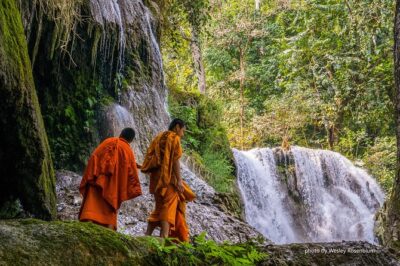
Private Tour Full-day Morning Market, Villages and Scenic Kuang Si Waterfall
Read our review →Vientiane Private Full-Day Tour with Buddha Park and Lunch
Read our review →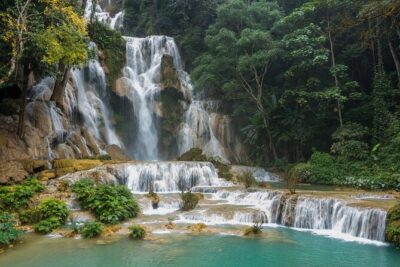
Private Tour: Pak Ou Cave and Kuang Si Waterfall Tour from Luang Prabang
Read our review →Browse the lists this tour appears in