
Reviewed · KAYAKING AND TUBING TRIPS
Nong Khiaw: 2-Day Trekking,Hmong village,Home Stay&Kayaking
Nong Khiaw’s best moments often come far from the road, and this two-day trip gets you there on foot, by village boat, and by kayak. You’ll visit Lao, Khmu, and Hmong communities, sleep in a village, swim beneath Tad Mork Waterfall, and finish with a quiet paddle along the Nam Ou River.
I like the hands-on bamboo workshop and the chance to share dinner with villagers rather than simply stopping for a quick photo. I also like the guide-led access to places such as the Phanoi viewpoint and a historical cave. The main caution is the trek: it can be tough, and one recent guest found the English explanations hard to follow, so your experience may depend on the guide assigned.
The trip in six useful points
- A real two-day village route: You spend the night in a village instead of returning to Nong Khiaw.
- Three local communities: The route includes Lao, Khmu, and Hmong villages, each offering a look at rural life.
- Bamboo craft lesson: You learn a practical local skill with help from a villager.
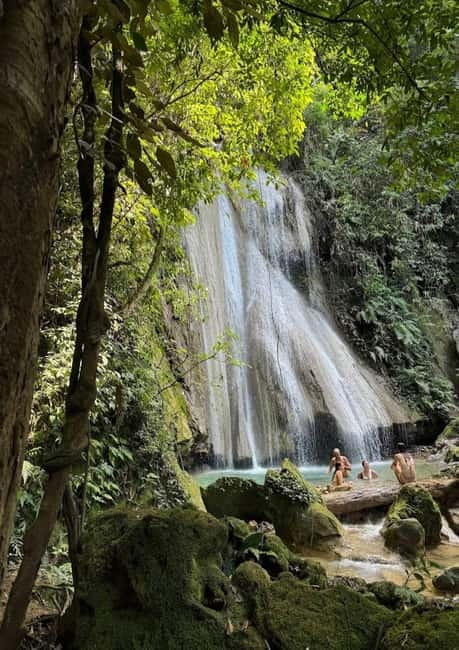
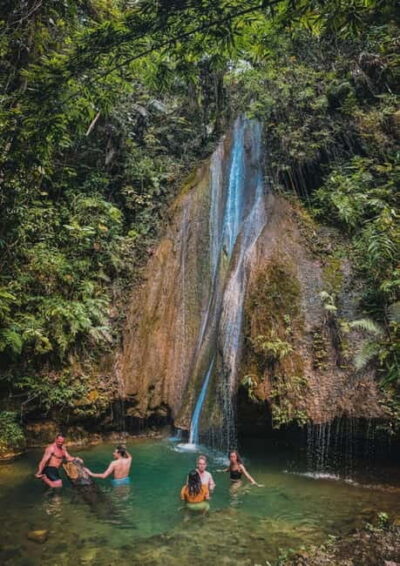
- Forest walking and waterfall swimming: Expect primary forest trails, a one-hour walk, and a cool pool at Tad Mork.
- Nam Ou River by kayak: The final stretch is peaceful, with views of birds, water buffalo, fishermen, and river scenery.
- A guide can make a big difference: Bick, also spelled Bic in the supplied information, is especially praised for his friendly teaching style.
Why this Nong Khiaw route is worth two days
Many day trips around Nong Khiaw give you a fine view and a short walk. This one gives you time to slow down. The overnight stay changes the pace from sightseeing to participation. You have a meal in the village, watch the evening settle in, and start the next morning where you slept.
The route also uses several forms of transport. A tuk-tuk takes you out from Nong Khiaw, a boat carries you toward Muang Noi and Sopkong, and a kayak brings you down the Nam Ou River. That variety keeps the journey from feeling like one long hike.
At $80 per person, the price is reasonable if you value a full two-day program. It covers a local guide, meals, the village night, transport elements described in the route, the bamboo activity, waterfall swim, and kayaking. You still pay for personal expenses and a tip, but the main costs are bundled together.
The strongest value is not any single stop. It is the combination of village contact, forest walking, water activities, and an overnight stay. If you only want a soft sightseeing day, this is not the right pick. If you want to see a quieter side of northern Laos and do not mind some physical effort, the price makes sense.
More kayaking and tubing on the rivers around Laos
- Vang Vieng: Kayaking & Cave Tubing with Zip Line/Blue Lagoon
★ 4.5 · 410 reviews - Vang Vieng: Tham Nangfar and Tham Nam Day Tour with Kayaking
★ 4.5 · 147 reviews - Luang Prabang: Kayak Tour to Pak Ou Caves
★ 4.4 · 115 reviews
Day one: Tuk-tuk roads and village paths
Your first morning begins with pickup in Nong Khiaw, provided your location is within five kilometers of town. From there, a tuk-tuk takes you toward the remote villages on the route.
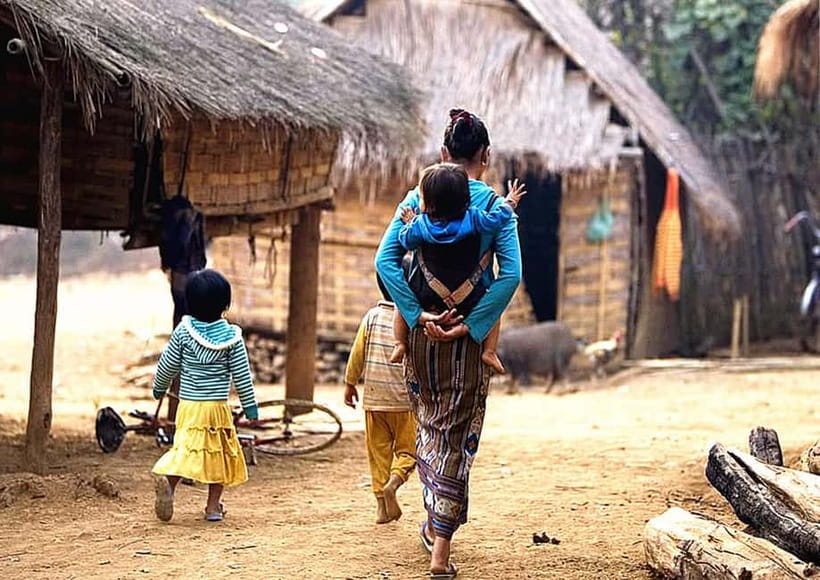
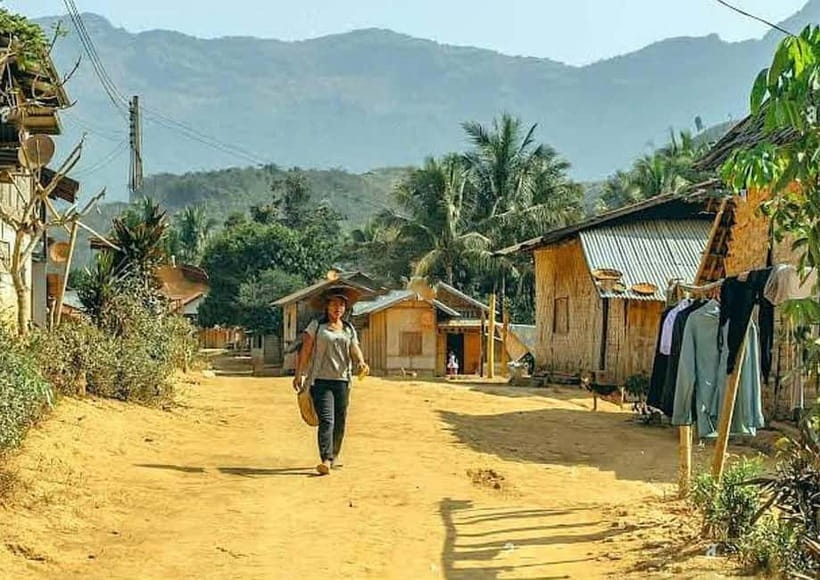
The names are presented in slightly different ways in the tour details, but you can expect visits connected with Ban Naluang or Ban Naluang Lao, along with Lao, Khmu, Tai Lao, and Hmong communities. This is a rural day, not a polished cultural show. You walk through village areas, meet local people, and learn about daily life as the route unfolds.
That setting is one of the trip’s strongest points. The village stops are described as natural, with children greeting you and local people going about their routines rather than trying to sell you things. Still, cultural sensitivity matters. Dress in comfortable, respectful clothing, ask before taking close-up photographs, and follow your guide’s lead around homes and community spaces.
The first section includes a lunch break and time to explore. Do not expect a fast restaurant meal or a long menu. The value here is the pause, a chance to eat and look around before the more active walking continues.
Meeting Lao, Khmu, and Hmong communities
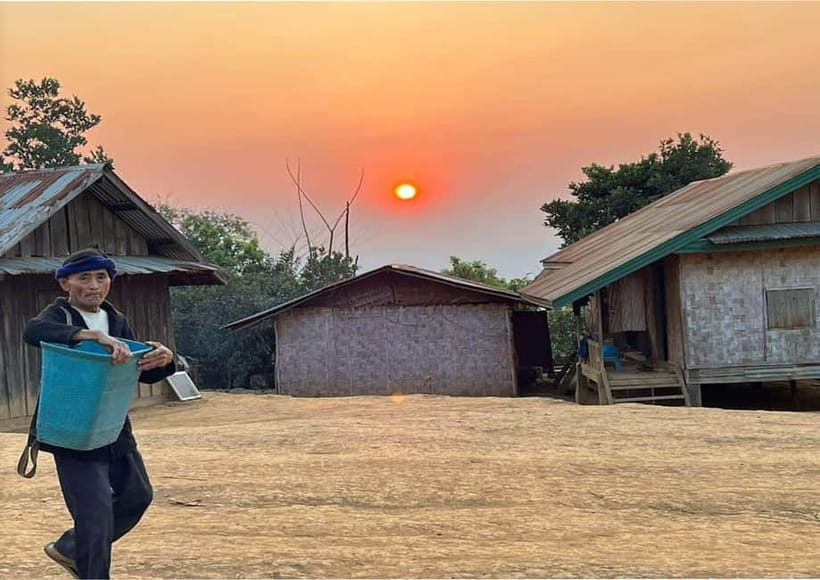
The village visits are not just a string of place names. They give context to the countryside you are crossing. You see how settlements fit into the hills and forest, and you get a closer look at the differences between Lao, Khmu, and Hmong communities.
The exact amount of explanation may vary with the guide. Bick, also written as Bic, receives especially strong praise for explaining the land, people, and local past in clear, friendly terms. One English-speaking guest had the opposite experience and found the guide difficult to understand, with too little explanation about village life. That is worth keeping in mind if cultural interpretation is your main reason for booking.
The trip is listed as an English-language tour. Even so, guide quality and speaking clarity can vary. If you are assigned Bick, his teaching style appears to be a major advantage. If not, keep your expectations practical and use the stops, demonstrations, and questions to draw out as much detail as possible.
Learning bamboo work with a local villager
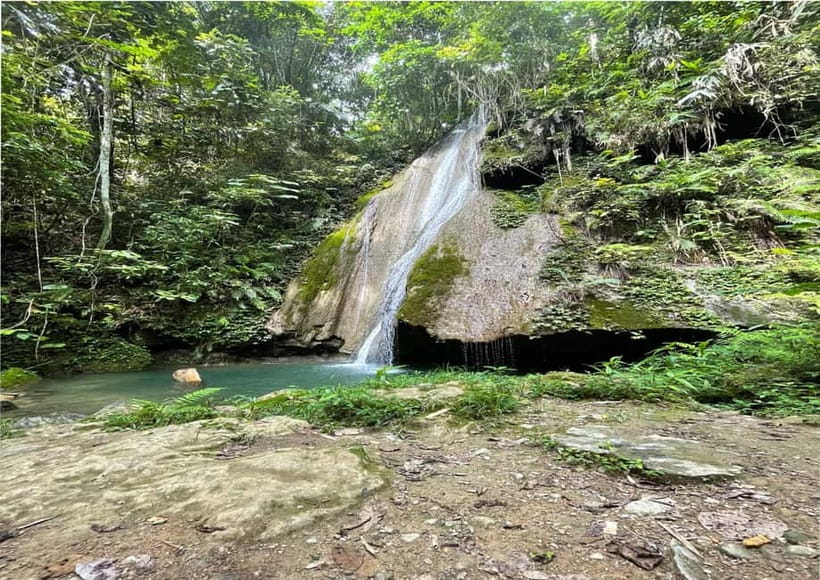
The bamboo handicraft workshop gives the first day a useful focus. Rather than only looking at village crafts, you get to try a small part of the process with local help.
The information does not specify the exact object you will make, so do not book this expecting a particular finished souvenir. Think of it as a short, hands-on lesson. Bamboo is a practical material across rural Southeast Asia, and working with it helps you understand the skill behind ordinary household items and village crafts.
This is also a good moment to slow down. Trekking can make a trip feel like a checklist of distances. Sitting with a villager and concentrating on a simple craft gives you a more personal connection to the place.
More treks and village walks from Laos
- Luang Prabang to Nong Khiaw: River Cruise, Hike & Waterfall
★ 4.4 · 53 reviews - Full Day Trek to Kuang Si Waterfalls, Remote Village
★ 5.0 · 38 reviews - Luang Prabang: Hmong Batik Art Workshop
★ 5.0 · 27 reviews - Laos Elephant Sanctuary keeper+ Kuangsi waterfall +Hmong village
★ 5.0 · 25 reviews
A village dinner and overnight stay
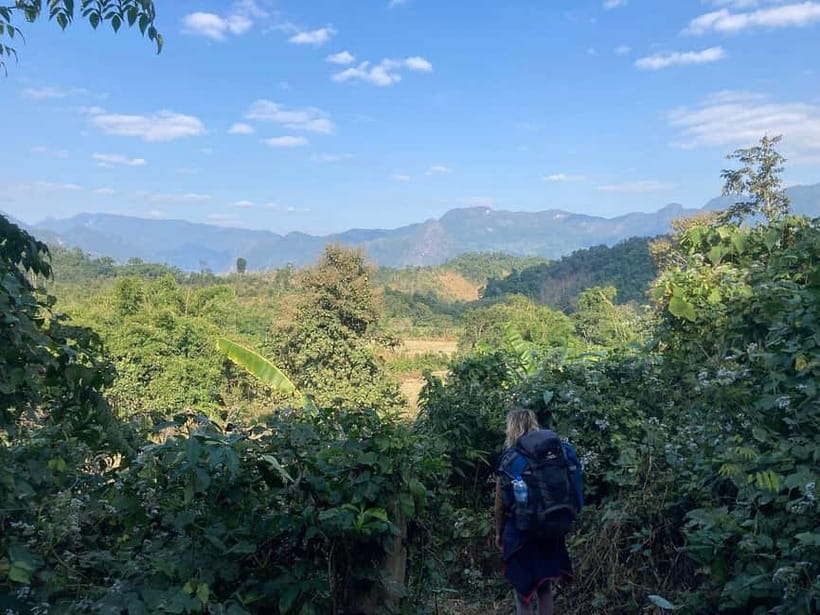
In the evening, you help cook and eat with villagers before spending the night in the village. The accommodation is described as a village homestay, but details such as room setup and bathroom facilities are not provided. Prepare for simple conditions rather than hotel comforts.
The overnight is the part that separates this experience from a standard excursion. You are not leaving just as the day becomes quieter. You have a chance to see village life after the walking is done, then wake up close to the next day’s route.
Bring only what you need in a small bag. Comfortable clothing, insect repellent, a refillable water bottle, and a towel matter more here than extra luggage. Alcohol is not allowed, and the tour asks you not to smoke, litter, touch plants, or bring drugs.
Day two: Muang Noi, a cave, and Phanoi viewpoint
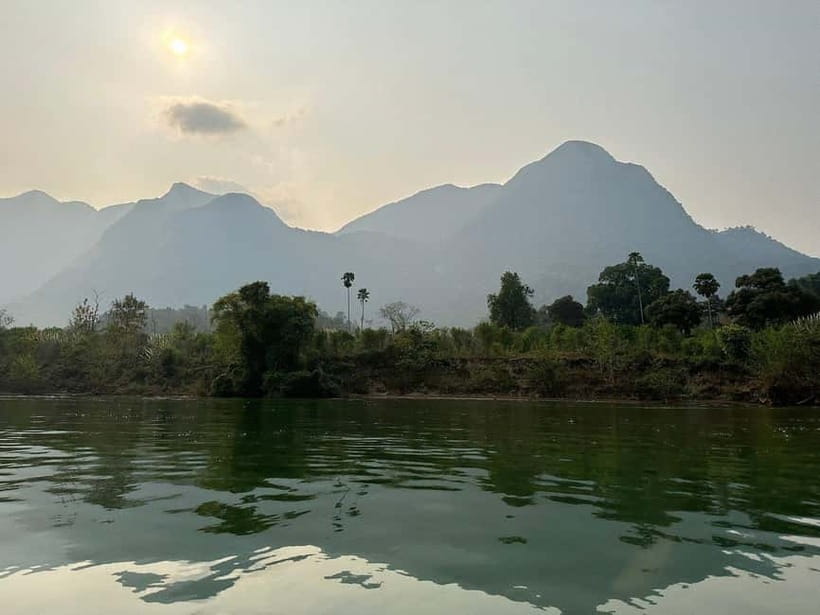
After breakfast, you take a boat to Muang Noi village. The river journey provides a welcome change after the previous day’s walking, and the boat also gives you a different view of the Nam Ou corridor.
In Muang Noi, the route includes a historical cave, the Phanoi viewpoint, and time to walk around the village. The cave adds a layer of local history to a trip otherwise focused on nature and village life. The viewpoint is the place for broad views, but you should expect another uphill section rather than a roadside lookout.
The walking remains the central challenge. The tour describes the trek as moderate to challenging, and the route includes primary forest. One guide-led group found the hike tough but manageable, while another guest clearly felt the trail was beyond their preferred level. You need steady footing and reasonable stamina.
This is not suitable for children under eight, pregnant women, people with back problems, people with mobility impairments, or wheelchair users. Even if none of those conditions apply, bring proper shoes. Sandals are a poor choice for a forest trail with changing weather and uneven ground.
Sopkong and the walk to Tad Mork Waterfall
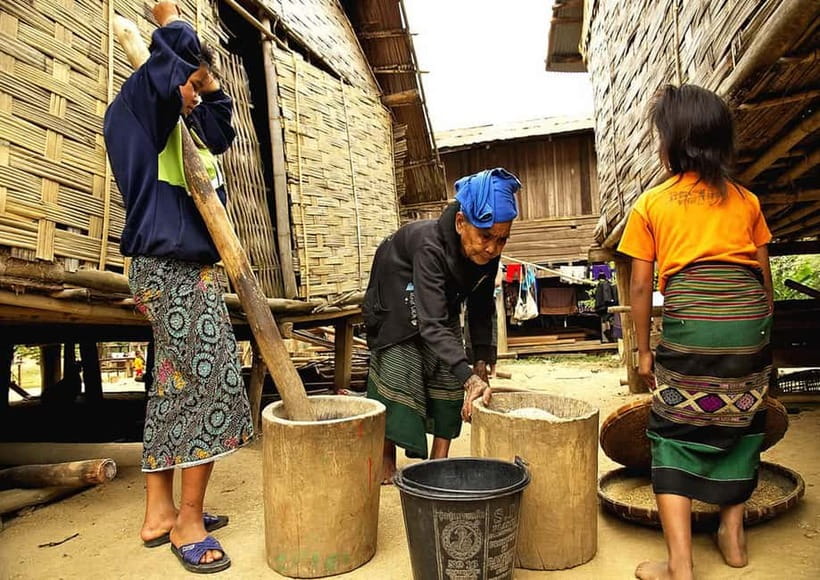
After lunch, you continue to Sopkong village. From there, the route includes about one hour of trekking to Tad Mork Waterfall.
The waterfall is one of the trip’s simplest pleasures. After a warm forest walk, the cool pool gives you a chance to swim and rest. Pack swimwear and a towel in an easy-to-reach place, not at the bottom of your bag.
Conditions can change with the weather. The tour specifically asks you to prepare for varying conditions, so sunscreen, water, a hat, and insect repellent are sensible. Snacks are also worth carrying, since the day combines walking, sightseeing, swimming, and kayaking.
The waterfall stop is not a luxury resort break. Facilities are not described, and the route is in a rural setting. Bring modest expectations and enjoy the water as a natural stop in the day.
Kayaking quietly down the Nam Ou
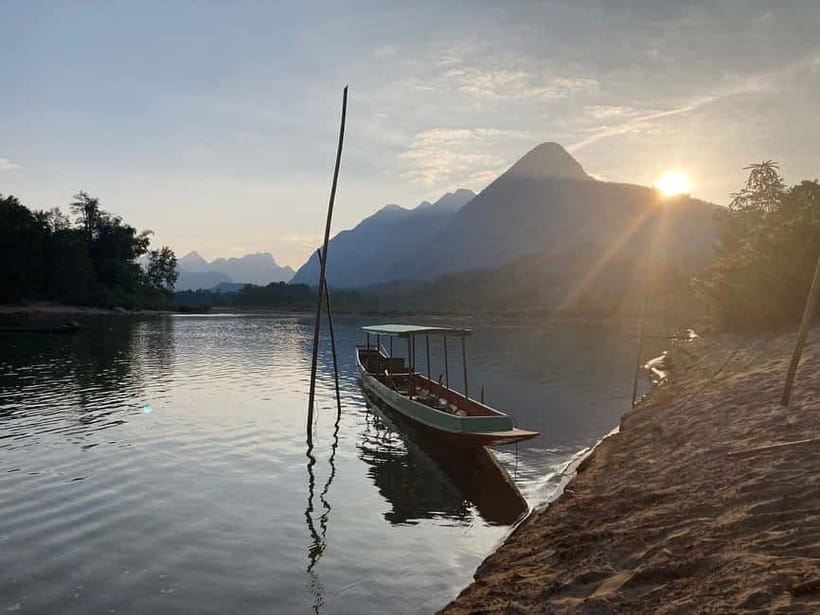
After returning to the riverbank, you finish by kayak on the Nam Ou River. This is a fine contrast to the harder walking. You can settle into a slower rhythm and watch the riverbanks pass at water level.
The route may offer chances to spot birds, water buffalo, and fishermen. These are not guaranteed wildlife sightings, but they are the sort of details that make the paddle feel connected to daily river life. The appeal is not speed or technical kayaking. It is the quiet.
You should still be comfortable around water and follow the guide’s instructions. The supplied information does not give kayak design, safety equipment, or exact paddling time, so ask the operator if those details matter to you before booking.
The guide question: Bick, or Bic
A guide can shape this experience more than any single attraction. Bick, also spelled Bic, is praised repeatedly for being cheerful, easygoing, warm, and generous with information. His strength seems to be turning the walk into a lesson about the land, local people, and area history.
That matters because the trip includes several stops that could otherwise feel brief. A cave is more meaningful with context. A village visit is more respectful when someone explains what you are seeing. A forest trail becomes more interesting when you understand how people use the land.
At the same time, one guest found the English explanation difficult to understand and wanted more information about village life. That criticism should not be ignored. If clear spoken English is essential to you, contact the tour provider before booking and ask who will guide your departure.
The group is described as small, with the booking information oddly listing a limit of one participant. Since the practical group size may depend on the departure, confirm this if you strongly prefer private travel or a very small party.
Who will enjoy this trip most
I would choose this for an active visitor who wants more than viewpoints around Nong Khiaw. You should be comfortable walking on forest trails, handling a moderate to challenging trek, and sleeping in simple village accommodation.
It suits you especially well if you want:
- Time in rural communities without a sales-focused stop
- A mix of walking, boat travel, swimming, and kayaking
- A hands-on craft activity
- A village meal and overnight stay
- A quieter Nam Ou River experience
I would hesitate if you want a soft, highly polished tour, need guaranteed detailed English interpretation, or dislike uncertain weather and basic lodging. This is also a poor match if you have mobility restrictions or back problems.
What to pack for the two days
Wear comfortable clothes and sturdy shoes with good grip. Add a hat, sunscreen, insect repellent, swimwear, towel, camera, snacks, and a refillable water bottle.
Keep your water supply close. The tour specifically recommends a refillable bottle, and the combination of heat, walking, and swimming can catch you out. A dry bag or waterproof pouch would also be sensible for valuables during the boat and kayak sections, though this is a personal packing suggestion rather than a stated tour inclusion.
The tour includes lunch, dinner, and breakfast after the village night is implied by the morning departure, but the listed inclusions specifically name lunch and dinner. If breakfast arrangements matter to you, confirm them before departure.
Should you book the Nong Khiaw trek?
Book it if you want an active, varied two-day experience with village contact and river time. The best parts are the overnight stay, bamboo lesson, waterfall swim, and final kayak ride. The route gives you a fuller sense of the Nong Khiaw area than a quick viewpoint visit.
Think twice if you need easy trails, polished accommodation, or highly detailed commentary at every stop. The English guide experience may vary, and the walking is genuinely demanding for some people.
For the right person, $80 is fair value. You get two full days, meals, a guide, a village night, several remote stops, and two very different forms of transport. Pack light, wear proper shoes, and book this as a hands-on countryside experience, not a relaxing sightseeing tour.
FAQ
How long does the Nong Khiaw trekking experience last?
The experience lasts two days and includes an overnight stay in a village.
What villages does the tour visit?
The route includes Ban Naluang or Ban Naluang Lao, Lao, Khmu, Tai Lao, and Hmong village communities. It also visits Muang Noi and Sopkong.
Is kayaking included?
Yes. Kayaking on the Nam Ou River is included after the trek to Tad Mork Waterfall and the return to the riverbank.
Can I swim during the tour?
Yes. The itinerary includes swimming in the pool at Tad Mork Waterfall. Bring swimwear and a towel.
What language does the guide speak?
The listed guide language is English. Guide Bick, also spelled Bic in the supplied information, is named in several bookings, but the assigned guide may vary.
Is the trek suitable for everyone?
No. The tour describes the trek as moderate to challenging. It is not suitable for children under eight, pregnant women, people with back problems, people with mobility impairments, or wheelchair users.
More 2-Day Experiences in Laos
- Chiang Rai: 2-Day Transfer to Luang Prabang by Slow Boat
★ 3.7 · 149 reviews - From Chiang Rai : 2 Day 1 Night Slow Boat to Luang Prabang
★ 4.0 · 26 reviews - Luang Prabang: 2D Transfer to Huay Xai by Slow Boat
★ 4.3 · 18 reviews
Just added in Laos
- Luang Prabang: Pottery Workshop & Wat Chomphet cycling Tour★ 4.6 · 5 reviews
- Luang Prabang: Countryside Mountain Bike Tour with Lunch★ 3.6 · 7 reviews
- 3 Days The Plain of Jars and Xieng Khouan (Depart from Luang Prabang)★ 5.0 · 3 reviews
- Plain of jars share group tour★ 5.0 · 4 reviews
- Plain of jars private tour★ 5.0 · 3 reviews
- Luang Prabang Early Morning Alms Giving and Wet Market★ 4.5 · 5 reviews
- Luang Prabang Local Market and Morning Food Tour with Drinks★ 5.0 · 6 reviews
- Plain of jars tour with local guide★ 4.5 · 8 reviews
Kayaking and Tubing Trips, compared.
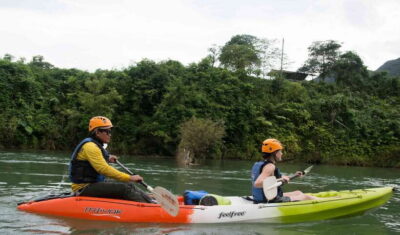
Kayaking & Cave Tubing with Zip Line/Blue Lagoon
Read our review →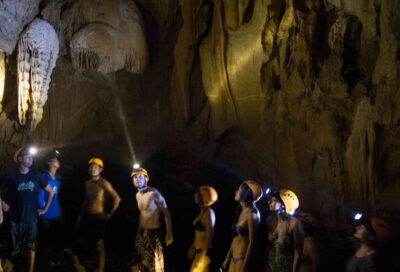
Tham Nangfar and Tham Nam Day Tour with Kayaking
Read our review →
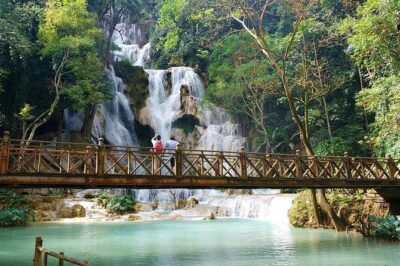
FULL DAY – Kuang Si Waterfall, Kayak on the Nam Ou / Mekong River, Pak Ou Caves
Read our review →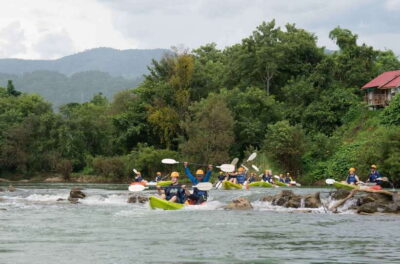
Browse the lists this tour appears in