
Reviewed · CRAFT AND WEAVING WORKSHOPS
Luang Prabang: Craft Your Own Aroma Candle in Heritage Home
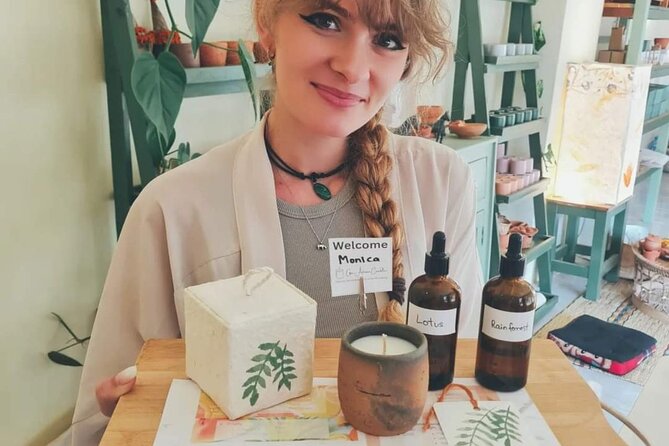
The most memorable part of this Luang Prabang activity is choosing a scent that feels like your own. In a quiet heritage home near Ban Xang Khong, you work with more than 20 aroma oils, blend a personal fragrance, and pour it into a pottery jar made by nearby villagers.
I like the small groups of up to six, which leave room for real help from guides such as Gai, Lee, or Sky. I also like the Lao tea lesson, a thoughtful way to pass the time while your candle cools. The main drawback is practical: you will smell many oils in a short period, and hot wax can reach 80 C, so this is not a good choice for children under eight or anyone sensitive to strong scents.
Key points at a glance
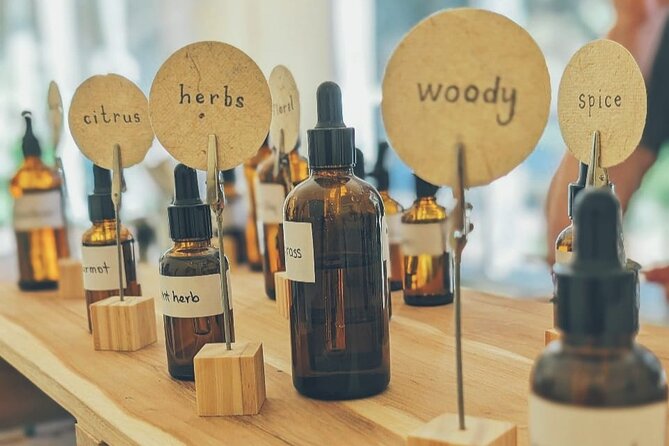
- Create a scent from more than 20 aroma oils: Learn how scent groups work, then mix a formula based on your own idea and personality.
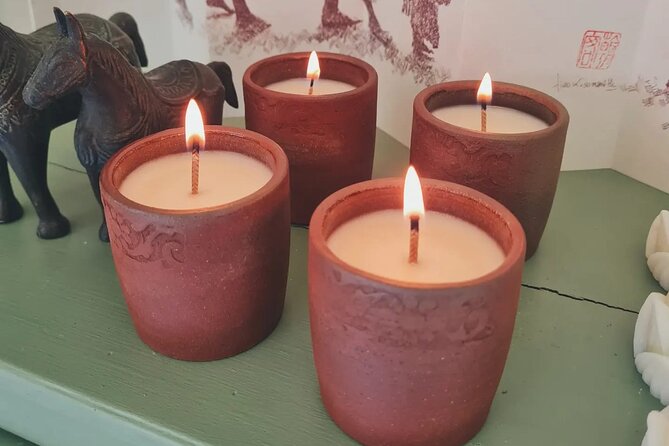
- Pour into local pottery: Your 100g candle goes into a handmade pottery jar produced by villagers nearby.
- Spend time in a heritage home: The workshop takes place in a Lao house with a garden, not a standard craft classroom.
- Learn Lao tea preparation: Tea, local snacks, and conversation fill the waiting time while your candle sets.
- Keep the group small: A maximum of six people allows for clear instructions and individual guidance.
- Ride across the Old French Bridge: Reach the workshop by bicycle, motorbike, tuk tuk, InDrive, or Loca App.
A personal candle in a Lao heritage home
This is a hands-on craft class with a gentle pace. You do not simply watch someone make a candle and carry it away. You choose the scent, discuss how different aromas work together, measure the ingredients, and pour the wax yourself with guidance.
The self-love theme gives the activity a little more purpose than a basic souvenir workshop. You are encouraged to think about the kind of scent that fits your personality or the feeling you want the candle to bring home. That can mean something fresh, floral, woody, spicy, or a blend that does not fit one neat label.
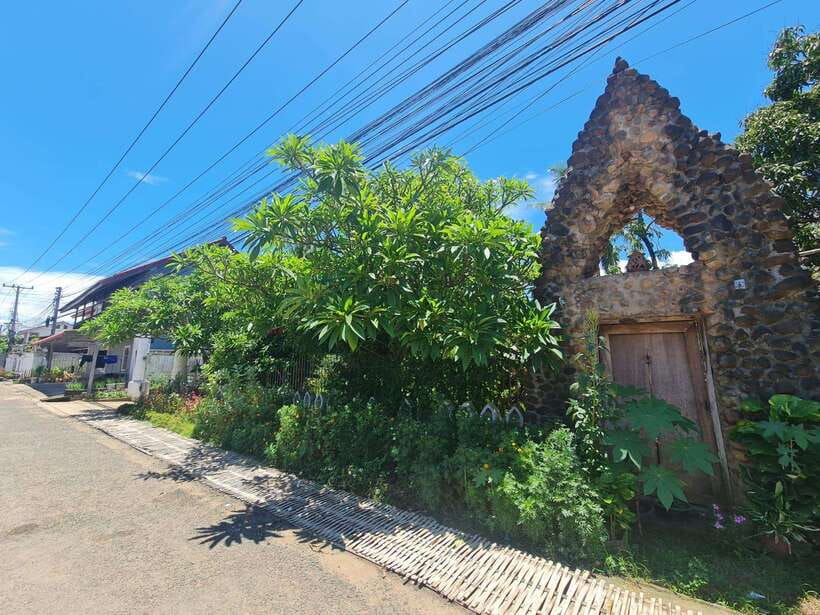
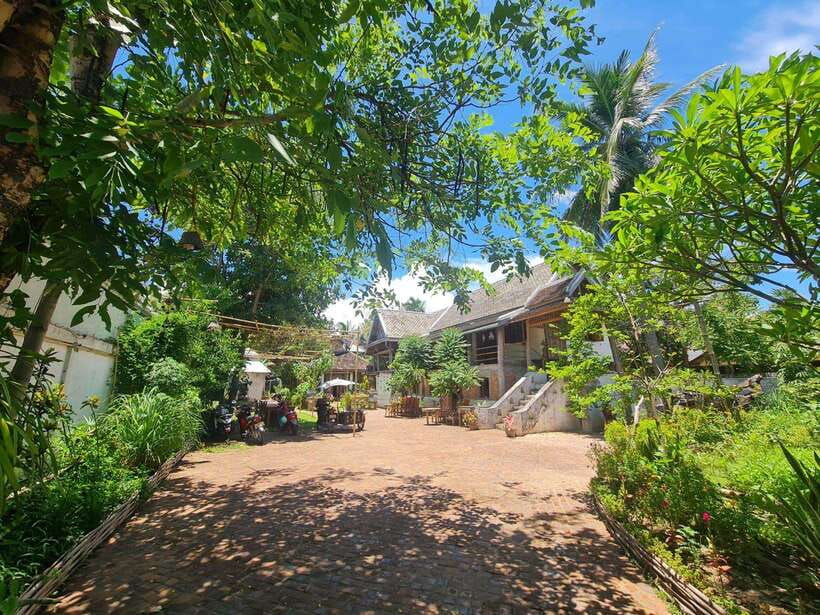
The setting adds much of the charm. Heuan Artisan Candles Workshop is in a heritage house surrounded by a Lao garden near Ban Xang Khong, an artisan area known for traditional Sa Paper making. The house gives the class a calm, local feel, while the nearby village and river roads make this a pleasant change from central Luang Prabang.
You should expect a relaxed experience, not a fast-moving class. The full session takes about two hours, and much of that time goes into smelling, discussing, testing, and choosing. If you enjoy creative decisions, that is a strength. If you want a quick souvenir with no process, it may feel slow.
More weaving and craft workshops in Luang Prabang
- Luang Prabang: Bamboo Weaving Workshop & Cooking Class
★ 5.0 · 96 reviews - Day-time Bamboo weaving & Cooking Classes join-in
★ 5.0 · 38 reviews - Luang Prabang: Craft Your Own Aroma Candle in Heritage Home
★ 5.0 · 29 reviews
Choosing from more than 20 aroma oils
The scent session is the heart of the workshop. You are introduced to different scent groupings and shown how individual oils can be combined. The number of choices is generous enough to make the result feel personal, but it also means you should not rush your first few decisions.
A guide such as Gai, Lee, or Sky helps you compare aromas and think about how they may work together. Past participants have especially valued the clear explanations and the freedom to create a candle that does not follow a fixed recipe. You receive direction, but the final blend remains yours.
I suggest smelling each option with a short pause between scents. After several oils, your nose can become less reliable. Since the activity specifically involves smelling many aromas, anyone with strong scent sensitivity should take that into account before booking.
The self-love idea works best if you treat the scent choice as a small creative exercise rather than a technical test. You do not need prior candle-making experience. The workshop explains the process from the beginning, including how the components are combined and how to think about the finished fragrance.
One useful detail from the class is its attention to candle-making practices. The instruction covers the science behind the process and includes tips connected to non-toxic candle making. The exact formula depends on your choices, but the emphasis is on understanding what you are doing rather than blindly following a recipe.
Pouring hot wax into village-made pottery
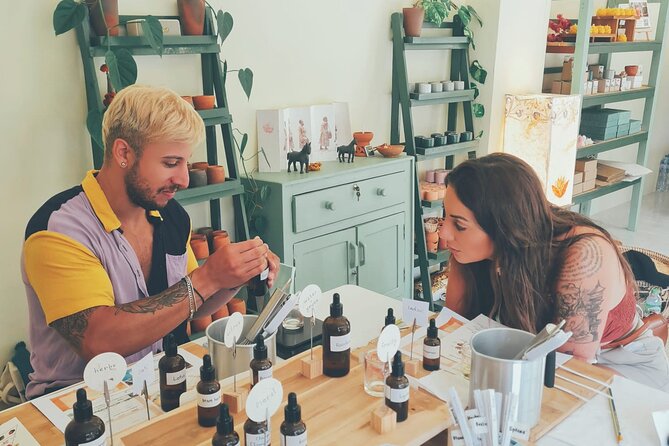
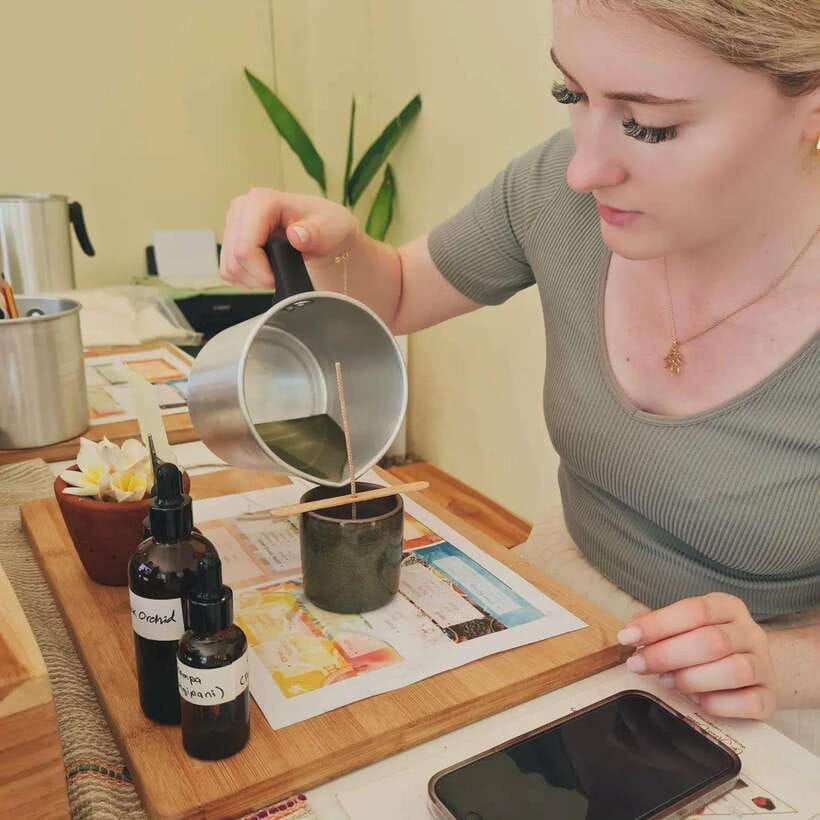
Once your scent is selected, you move on to the candle itself. Professional materials and tools are provided, and the instructor guides you through each step before the wax is poured.
The candle goes into a local pottery jar handmade by artisans from nearby villages. This makes the finished item more than a small bottle of fragrance. The pottery connects the craft to the area around Luang Prabang and gives you a useful object with a local touch.
Your finished candle weighs 100g. It is packed in a cotton bag, which makes it easier to carry during the rest of your trip. Keep in mind that the candle needs time to cool and set. You do not simply pour it and leave immediately, which is why the tea portion fits so well into the schedule.
Safety deserves a clear mention. The wax may reach 80 C, or 176 F. You will have instructions and help, but you should pay attention around the hot material. The activity is wheelchair accessible, though the information provided does not describe the exact layout of every path or surface around the heritage house, so you may want to confirm any specific access needs in advance.
Lao tea while the candle sets
While the wax cools, you learn how to prepare Lao tea. This is not just filler between two craft steps. It gives the class a second local element and lets the session slow down naturally.
The tea lesson focuses on preparation, and you also get to taste tea from the northern highlands of Laos. Local snacks are included. The combination makes the waiting period useful and social instead of a dead stretch in the schedule.
This part may be especially appealing if you want more than a standard craft lesson. The tea provides a chance to talk with the instructor about Lao culture and daily life. The guides are described as friendly, funny, and easy to talk with, and their English is strong enough for clear instruction. Thai is also available.
The tone is informal and personal. You may spend much of the tea time asking questions, comparing scents, or chatting about Laos. It is a good fit for couples, friends, and solo visitors who like small-group activities where conversation is part of the experience.
A few more trips around Luang Prabang worth a look
- Luang Prabang: UNESCO World Heritage City Highlights Tour
★ 4.6 · 201 reviews - Vientiane Cultural Tour with Private Guide
★ 5.0 · 80 reviews - Vientiane: Cultural Tour with Buddha Park and Patuxay
★ 4.6 · 74 reviews
The route to Ban Xang Khong
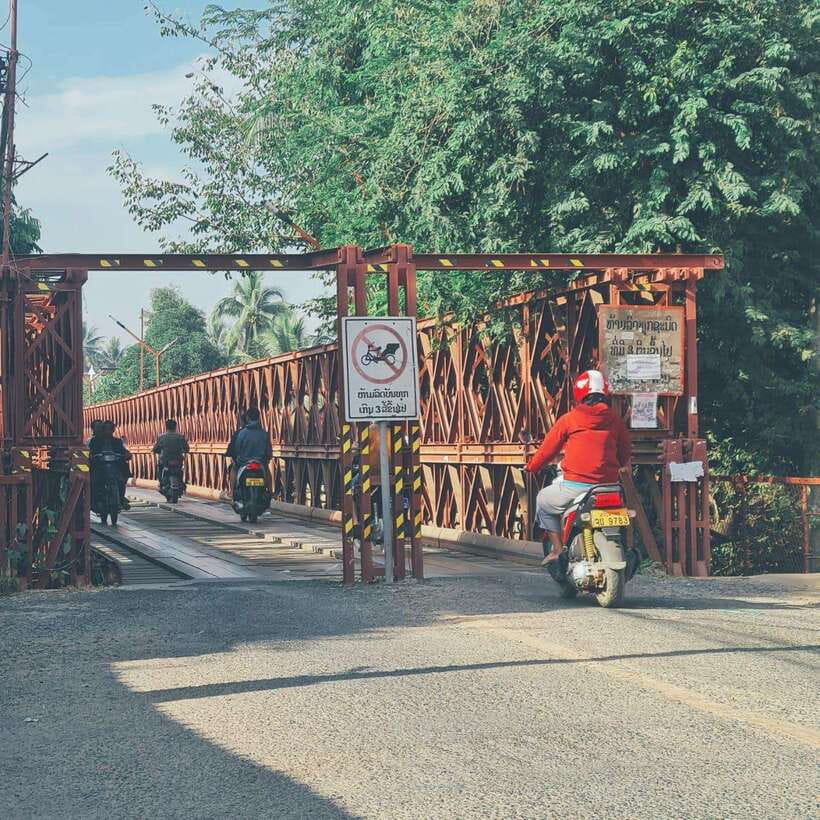
The workshop sits outside the busiest part of central Luang Prabang, near Ban Xang Khong and the Sa Paper village area. From town, you can cross the Old French Bridge by bicycle or motorbike, then follow Google Maps along the Nam Khan and Mekong rivers.
You can also use a tuk tuk, InDrive, or the Loca App. The supplied directions tell drivers to go to Ban Nongxay, specifically Khua Mor Din Cooking House. This is worth saving before you leave, since the village names and meeting instructions may not be identical on every map.
The setting is part of the appeal, but the location means you need to allow time for the ride. Hotel pickup and drop-off are not included. If you are cycling, the Old French Bridge provides the route across the river, followed by the main road along the water. A motorbike or car service is simpler if the heat is high or you are carrying other purchases.
This outing can also pair well with a visit to Ban Xang Khong’s paper-making area, but the workshop itself lasts two hours and does not include a separate guided tour of the village. Plan any extra sightseeing on your own.
How the two-hour session feels
The class has a clear rhythm:
- You arrive at the heritage home and settle into the garden setting.
- The guide explains candle-making basics and the different scent groups.
- You smell and compare more than 20 oils.
- You develop a personal scent concept and mix the chosen components.
- You prepare the candle with professional materials.
- You pour the scented wax into a 100g local pottery jar.
- You learn Lao tea preparation while the candle cools.
- You enjoy tea and local snacks before taking the candle home in a cotton bag.
The timing is enough for a real introduction, but not for advanced candle-making. You will leave with one finished candle and a basic understanding of the process. If you want to make several candles or study fragrance blending in depth, this workshop will not meet that goal.
The small group makes a meaningful difference. With no more than six participants, the instructor can respond to questions and help adjust your scent. Some sessions may feel nearly private if only a few people book, though you should not count on having the house to yourself.
The guides make the class personal
Several guide names appear in the experience: Gai, Lee, and Sky. The strongest praise centers on their patience, clear English, warmth, and ability to help people make decisions without taking over.
Gai is described as giving detailed explanations and allowing plenty of time to develop a scent. Lee is praised for friendly teaching and clear guidance from the first step to the last. Sky is noted for encouraging more creative combinations and explaining non-toxic candle-making practices.
The names may vary depending on the session, so do not book expecting one particular instructor unless the provider confirms it. Still, the teaching style appears consistent: step-by-step instruction, plenty of help, and a relaxed social mood.
That matters because scent is subjective. A guide can explain fragrance families, but only you know what feels right. Good instruction here means helping you make a decision, not steering everyone toward the same popular blend.
Is $29 a fair price?
At $29 per person, the value is solid if you want an activity that combines a craft lesson with a local cultural experience. The price includes professional candle-making materials, your 100g scented candle, the handmade pottery jar, a cotton bag, tea tasting, and local snacks.
You are also paying for about two hours of instruction in a small group. Compared with simply buying a candle in a shop, this gives you the process, the story behind the object, and control over the scent.
The value is less clear if you judge the activity only by the size of the souvenir. A 100g candle is modest, and the class is not designed for people seeking a large take-home product. Its worth comes from the time spent making it, the pottery, and the personal fragrance rather than quantity.
Reserve-and-pay-later booking is available, and you can cancel up to 24 hours before the activity for a full refund. Hotel transfers cost extra in the sense that they are not included, so factor in your ride to Ban Nongxay.
Who should book this workshop?
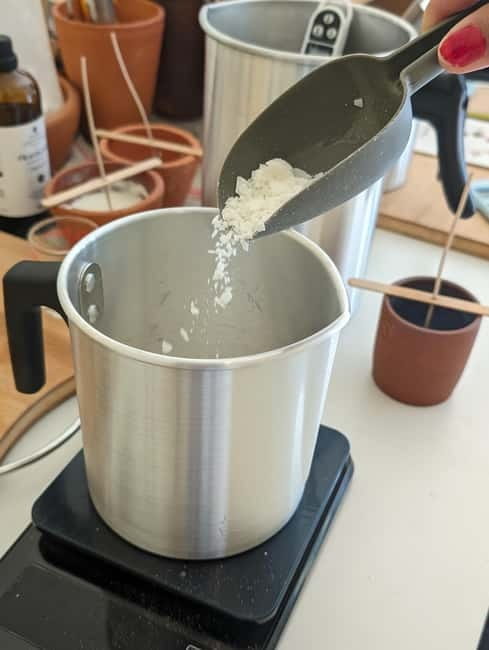
I would recommend it to you if you enjoy slow, creative activities and want a souvenir tied to your own choices. It suits couples and friends particularly well, since comparing scent ideas and tasting tea gives you plenty to talk about.
Solo visitors can also enjoy it. The small group and friendly instruction make this a social activity without requiring a large tour. It is also a useful option for a rainy morning or for a break from temple visits and sightseeing on foot.
You should think twice if strong aromas bother you, if you dislike making many small choices, or if you want a fast activity. Children under eight are not suitable for the workshop, and everyone should take care around the hot wax.
This is not a broad tour of Luang Prabang. You will not be taken around the city or given hotel transport. Instead, you travel to a heritage home, learn one craft carefully, and leave with a small piece of local pottery holding a scent you created.
My booking advice
Book this workshop if you want a personal, hands-on souvenir and a calm look at Lao craft and tea traditions. The combination of more than 20 aroma oils, village-made pottery, careful instruction, and a two-hour stay in a heritage home gives the $29 price good value.
Skip it if you are highly sensitive to fragrance or mainly want sightseeing rather than making something. For the right person, though, this is one of those activities where the finished candle is only half the point. The other half is the quiet process of choosing, mixing, learning, and sharing tea.
FAQ
How long does the candle-making workshop last?
The activity lasts two hours.
How much does the activity cost?
The price is $29 per person.
What do I take home?
You take home one 100g scented candle poured into a locally made pottery jar, along with a cotton bag.
How many scents can I choose from?
The workshop offers a collection of more than 20 aroma oils.
Is tea included?
Yes. Tea tasting, local snacks, and a Lao tea preparation lesson are included.
Where does the workshop take place?
It takes place at Heuan Artisan Candles Workshop in a heritage home near Ban Xang Khong and the Sa Paper village area, along the river road.
How can I reach the meeting point?
You can cross the Old French Bridge by bicycle or motorbike and follow Google Maps along the river. You can also take a tuk tuk, InDrive, or Loca App and tell the driver to go to Ban Nongxay, Khua Mor Din Cooking House.
Is the workshop suitable for children?
Children under eight are not suitable for this activity. The wax can reach 80 C, or 176 F, and the session involves smelling many scents.
Just added in Luang Prabang
- Luang Prabang: Pottery Workshop & Wat Chomphet cycling Tour★ 4.6 · 5 reviews
- 3 Days The Plain of Jars and Xieng Khouan (Depart from Luang Prabang)★ 5.0 · 3 reviews
- Luang Prabang Local Market and Morning Food Tour with Drinks★ 5.0 · 6 reviews
- Luang Prabang Early Morning Alms Giving and Wet Market★ 4.5 · 5 reviews
- Luang Prabang: Countryside Mountain Bike Tour with Lunch★ 3.6 · 7 reviews
- Luang Prabang: Weaving Workshop Half-Day Experience★ 5.0 · 9 reviews
- Laos Railway: Train Tickets Easily – Skip the Lines – No worries★ 5.0 · 9 reviews
- The Namkhan – Cooking Class★ 5.0 · 8 reviews
Craft and Weaving Workshops, compared.
Day-time Bamboo weaving & Cooking Classes join-in
Read our review →
Evening Bamboo weaving & Cooking classes join-in
Read our review →
Browse the lists this tour appears in