
Reviewed · VIENTIANE TOURS
Vientiane Cuisine & Culture: The Hungry Tuk Tuk
Vientiane’s best food lesson may come from a paper plate at a night market, not a polished restaurant. This three-hour tuk-tuk outing takes you to evening food areas where locals buy dinner, then helps you sort through unfamiliar Lao dishes with an English-speaking guide. The food is the main event, but the ride also gives you a look at Vientiane after dark.
I like the local-market focus and the chance to try small portions of many foods instead of committing to one large meal. I also like the guide-led choices. Guides such as Noi, Bee, Thony, Nong, Pat, and Mr. Sivone have been praised for friendly service, good English, and flexibility around food preferences.
The main caution is that the route and food stops can change. Some places may be closed, Songkran can affect opening hours, and extra drinks or food are not included. Tuk-tuk traffic can also mean fumes and delays, especially during rush hour.
Key Things to Know Before You Go
- Three night-market areas may feature on the route: Thatluang Food Market, Sihom Night Market, and Lao Mekong Night Bazaar have all been used on Vientiane evening outings.
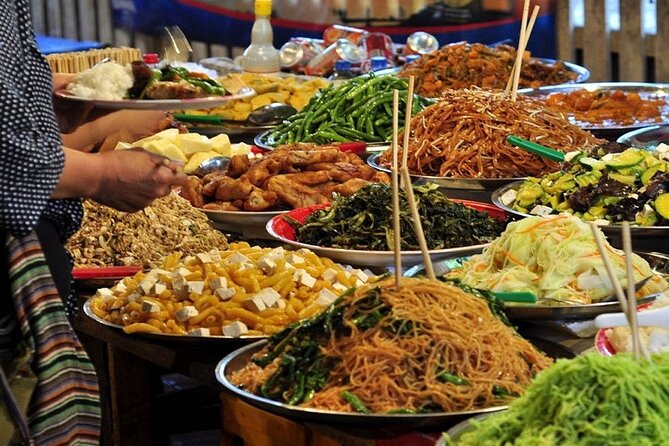
- The menu can be wonderfully varied: Past tastings have included grilled chicken, papaya salad, mango sticky rice, bamboo cooked in banana leaf, samosas, seafood, fried mushrooms, and edible insects.
- Your guide does the translating and choosing: This matters when food names, ingredients, and preparation methods are unfamiliar.
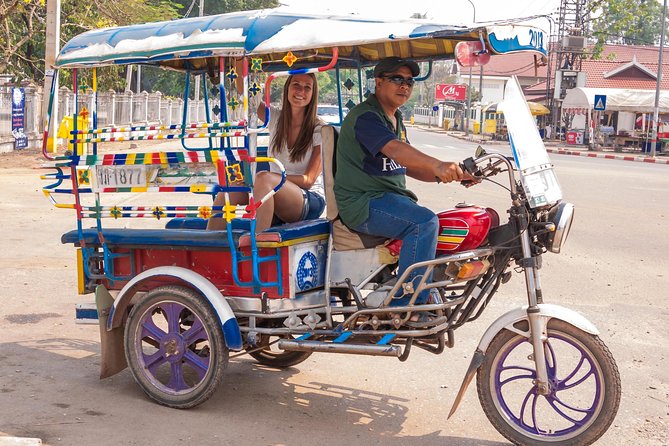
- The tuk-tuk is both transport and part of the experience: You see Vientiane between stops, though traffic can be noisy and smoky.
- Budget extra money for purchases: Included local food does not cover additional drinks or unplanned food.
- A small group is not guaranteed: The maximum is 15 people, so ask about the expected group size if that matters to you.
Starting With Lao Food at Night
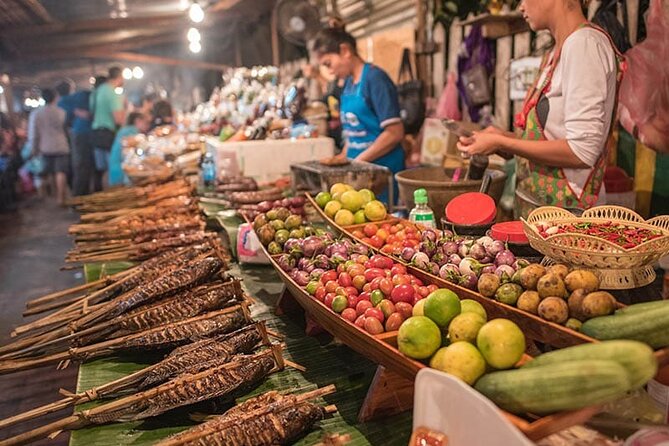
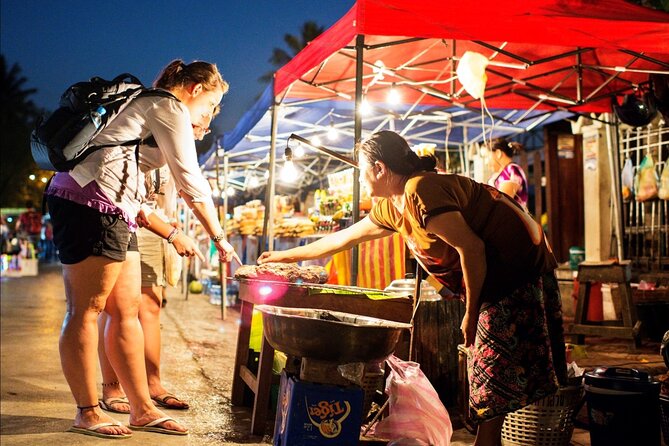
The evening usually begins with a pickup and a ride by tuk-tuk toward a food market. The exact route can vary, but the purpose is clear: you are not simply being driven to a set restaurant. You are being shown where local people go to buy dinner.
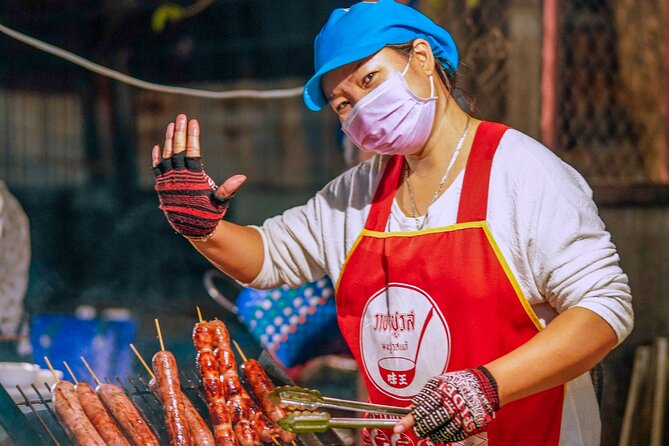
That distinction matters in Vientiane. A market lets you see food before it reaches the plate. You can watch dishes being grilled, fried, wrapped, skewered, or packed for takeaway. You also get a sense of what people eat on an ordinary evening, rather than only what a restaurant has chosen for an international menu.
Your guide helps you make sense of the choices. That is useful when you encounter dishes with unfamiliar ingredients or preparation. Past food selections have included grilled chicken, spicy grilled sticky rice, papaya salad, fried mushrooms, samosas, seafood, and chilli bamboo wrapped in banana leaf.
You may also be offered foods that require a stronger stomach. Fried crickets and wood caterpillar pupae have appeared among the tastings. You do not have to treat unusual food as a dare, but this is a good chance to ask about preparation and try a small amount if you are curious.
The guide’s role is especially important here. English-speaking guides including Noi and Bee have been praised for explaining food and local customs clearly, while Nong has been described as helpful with regional and cultural differences. Those details turn a snack stop into a short lesson about Laos.
A few more trips around Vientiane worth a look
- Luang Prabang Evening Food Tour by Tuk-Tuk
★ 4.5 · 68 reviews
What You Might Eat Across Three Hours
There is no fixed tasting menu in the information provided, so you should think of this as a guided food crawl rather than a formal sequence of courses. The day’s offerings depend on which markets are open, what looks good, and what you want to try.
A typical selection could include savoury dishes, grilled foods, snacks, sweets, and drinks. Examples from past outings include:
- Grilled chicken and seafood
- Papaya salad
- Spicy grilled sticky rice
- Samosas with minced meat
- Fried mushrooms
- Chilli bamboo cooked in banana leaf
- King prawns and crab
- Sweet potato with coconut
- Mango sticky rice
- Fresh juices and mango smoothies
- Hot soy milk
- Rosella and longan drinks
- Fried crickets and wood caterpillar pupae
This variety is one of the strongest reasons to book. You can compare textures and flavours in small portions, then decide what deserves a second helping later in your trip.
The food is not necessarily all traditionally Lao. The experience also presents modern and regional influences, and one disappointing outing included a stop for pho. That can be useful if you want a broad picture of what is available in Vientiane, but it may frustrate you if you expect every bite to be a classic Lao specialty.
Ask your guide what is local, what is common across Southeast Asia, and what comes from another regional tradition. That simple question can make the meal more meaningful.
The Three Market Areas and Why They Matter
Past routes have included Thatluang Food Market, Sihom Night Market, and the Lao Mekong Night Bazaar. The experience does not promise that all three will appear every time, but these stops show the kind of evening circuit you may encounter.
Thatluang Food Market can give you a view of takeaway culture, with dishes prepared for people heading home. Sihom Night Market adds another food area and may offer different stalls and snacks. The Lao Mekong Night Bazaar provides a more open evening setting, with food, drinks, and the chance to see people out after work.
I like this format because the markets are not treated as decorative backdrops. You are there to eat. The best moments may be simple ones: deciding between two grilled snacks, watching a vendor prepare something, or sitting down with a dish that your guide selected after explaining what it contains.
The drawback is that market food is not fully predictable. A location may be closed, particularly during public holidays such as Songkran. One evening route had two planned stops unavailable, yet still provided enough food elsewhere. If you need a precise menu or guaranteed access to named venues, this outing may feel loose.
The Tuk-Tuk Ride Through Vientiane
Getting between food stops by tuk-tuk is more than a practical detail. It places you at street level and lets you see Vientiane as you move between markets, restaurants, and evening drink spots.
You may pass city sights along the way, though the experience is not primarily a sightseeing tour. The city views are a useful extra, especially if this is one of your first evenings in Vientiane and you want to get your bearings.
There is a trade-off. Tuk-tuks are open to traffic, and rush hour can mean slow progress, noise, and exhaust fumes. That is part of ordinary urban travel, but it may bother you if you prefer air-conditioned transport.
The transport is included, along with water. Pickup is offered, but confirm the meeting details carefully. One badly delayed outing involved confusion over the pickup point and a guide change after an accident. The replacement guide was described as apologetic and pleasant, but the tour began about an hour and a half late.
That appears to be an exception rather than the normal pattern, but it shows why a working phone connection and clear pickup instructions matter. Contact details are provided through WhatsApp and Zalo, so keep those channels available on the day.
Same town, a slower sort of day:
- Vientiane Cultural Tour with Private Guide
★ 5.0 · 80 reviews - Vientiane: Cultural Tour with Buddha Park and Patuxay
★ 4.6 · 74 reviews - Vientiane: Half-Day City Tour with Patuxai and Buddha Park
★ 4.5 · 57 reviews - Vientiane City Highlights Tour with Buddha Park & Lunch
★ 4.7 · 38 reviews
Dessert, Drinks, and the Flexible Evening Finish
After the main food market, the planned route moves toward a downtown intersection that becomes a night food and drink area. This is where you may find hot soy milk, fresh juices, rosella, and longan drinks.
Dessert is part of the advertised concept, but it is not guaranteed on every outing. One person expected a dessert stop and did not receive one. If sweets matter to you, ask early in the evening if dessert is still on the route.
Mango sticky rice, sweet potato with coconut, lime ice cream, pancakes, and other sweet foods have been included on past food outings. The precise choices depend on what is open and what the group wants to sample.
This part of the evening can be a pleasant change from savoury market dishes. It also gives you a chance to ask about ingredients and local drink habits. The included offering may be limited, however, so additional drinks or snacks bought on your own will cost extra.
How the Guides Shape the Experience
The guide can make or break a food tour, and this experience has had several guides who received strong praise for warmth and care.
Noi has been described as friendly, accommodating, and clear when explaining Lao food and traditions. Bee has been praised for hospitality and excellent English. Thony was singled out for making the evening feel like more than a food tour, with sightseeing and local dishes woven together.
Nong has been noted for explaining food from different cultures and regions. Pat has been described as funny, flexible, and familiar with the area. Mr. Sivone handled a last-minute replacement situation with enthusiasm and an apology for the delay.
You should still take an active role. Tell the guide about allergies, dislikes, spice tolerance, and dietary limits at the start. One strong point of the experience is that guides have helped people choose food rather than simply placing random dishes in front of them.
The quality of explanation can vary. If you want ingredient details, preparation methods, or food history, ask direct questions. Do not assume every stop will come with a long cultural talk.
What the $58.90 Price Really Covers
At $58.90 per person, this is not the cheapest way to eat in Vientiane. You can buy individual market dishes for far less, and independent diners who are comfortable choosing food alone may prefer to spend the money on extra plates.
The value comes from several things bundled together: roughly three hours of transport, an English-speaking guide, water, and guided tastings across several food areas. You also save the time and guesswork involved in finding markets, deciding what to order, and understanding unfamiliar dishes.
For a first evening in Vientiane, I can see the price making sense. You get a broad introduction, a ride through the city, and a guide who can point out dishes you might otherwise skip.
The value drops if the tour is delayed, stops are closed, or you pay for several extra dishes and drinks. Included local foods are provided, but additional purchases are excluded, and one person was unhappy about paying out of pocket for some items. Ask exactly which tastings are included before ordering beyond the planned food.
Group size also affects value. The maximum is 15 people. A smaller group should make it easier to ask questions and share dishes, while a full group may mean less personal attention.
Who Will Enjoy This Evening Most
I would recommend this experience to first-time visitors who want help navigating Lao food. It is also a good fit if you have only one evening in Vientiane and want food, local streets, and a basic introduction to the city in one outing.
It suits curious eaters who like trying several small dishes. The option to sample insects, unusual snacks, drinks, grilled foods, and desserts gives you plenty of room to explore without ordering a full portion of every item.
Families may appreciate the guide support, though the child rate applies only when a child shares with two paying adults. People with strict dietary needs should contact the operator before booking and repeat those needs to the guide.
You may want to skip it if you are comfortable exploring markets alone, want a fixed restaurant meal, or expect a polished culinary class. You should also think twice if you dislike open tuk-tuk rides, traffic fumes, or a route that can change from night to night.
The experience is non-refundable and cannot be changed for any reason. That policy makes it sensible to book only after your Vientiane plans are firm.
How to Get the Most From the Food Crawl
Tell the guide what you want to try. If you are keen on traditional Lao dishes, say so clearly. If you want dessert, ask whether the evening route includes it. If you are curious about insects, seafood, or spicy foods, your guide can help you choose a manageable starting point.
Keep some cash available for extra food and drinks. The included tastings may leave you full, but the market setting makes it tempting to add something that catches your eye.
Wear practical clothing for a short open-air ride and outdoor food stops. The information does not specify a dress code, but a market visit is casual rather than formal.
Try not to judge the tour by one dish. Lao food can vary from mild and sweet to sharply spicy, sour, smoky, or fermented. A poor match with one snack does not tell you much about the next stop.
Finally, allow some flexibility around timing. The advertised duration is about three hours, but traffic, market conditions, and replacement arrangements can affect the schedule.
Should You Book The Hungry Tuk Tuk?
Book it if you want an easy first taste of Vientiane, prefer having a guide choose and explain food, and like the idea of moving between markets by tuk-tuk. The strongest parts are the variety, the local evening setting, and the chance to ask questions while trying foods you might not order alone.
Skip it if you want strict timing, guaranteed dessert, a fixed list of dishes, or the lowest possible food cost. For many independent eaters, a self-guided market evening will be cheaper.
My practical call: it is a useful introduction, not a tightly controlled gourmet tour. Go with an open appetite, confirm what is included, and treat the changing route as part of the evening rather than a flaw. Guides such as Noi, Bee, Thony, Nong, and Pat can add real warmth and context, but your experience will depend heavily on the person assigned and the markets operating that night.
FAQ
How long does the Vientiane Cuisine & Culture tour last?
The tour lasts approximately three hours.
What is the price?
The listed price is $58.90 per person.
Is hotel pickup available?
Pickup is offered. Confirm the pickup details before the tour, especially if you are staying at a large hotel.
How do you travel between food stops?
All transport during the experience is by tuk-tuk.
Is a guide included?
Yes. An English-speaking guide is included.
What food is included?
Local foods are included. The exact dishes vary, with examples including grilled chicken, papaya salad, mango sticky rice, seafood, samosas, fried mushrooms, and other market foods.
Are drinks included?
Water is included. Additional drinks purchased during the tour are not included.
Can I buy extra food?
Yes, but any additional food or drinks you purchase are at your own expense. Unplanned stops are not possible.
What is the maximum group size?
The maximum group size is 15 people.
Is the tour refundable if I cancel?
No. The experience is non-refundable and cannot be changed for any reason.
Just added in Vientiane
- Vientiane Private Transfer: Wattay Airport -Hotel-Railway Station★ 4.5 · 9 reviews
- Vientiane: Private Full-Day Tour with Buddha Park and Lunch★ 4.8 · 33 reviews
- From Vientiane: Vang Vieng Tour with Cave Kayak & Zipline★ 4.6 · 32 reviews
- Vientiane: Private Full-day Must-See Sights & Sunset Tour★ 4.8 · 12 reviews
- Guided Vientiane City and Buddha Park Full-Day Tour★ 3.5 · 12 reviews
- Laos Railway Tickets Easily: Avoid Long Queues & Wasted Time★ 4.5 · 14 reviews
- Private Tour: Vientiane City Tour Full Day with Buddha Park★ 4.5 · 32 reviews
- 1-Day Tour to Vang Vieng with Private Guide★ 5.0 · 16 reviews
Vientiane Tours, compared.
Vientiane City Highlights Tour with Buddha Park & Lunch
Read our review →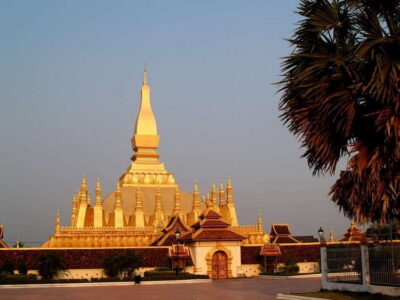
Private Full-Day Tour with Buddha Park and Lunch
Read our review →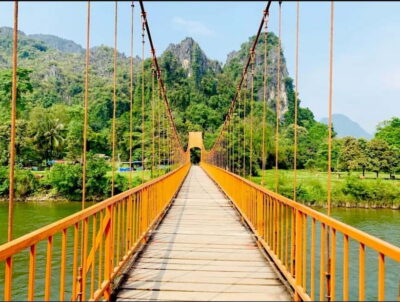
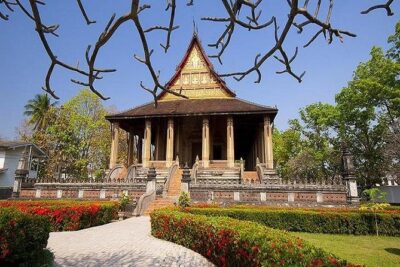
Private Tour: Vientiane City Tour Full Day with Buddha Park
Read our review →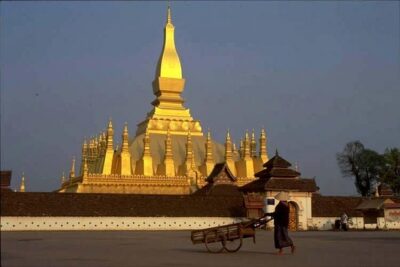
Vientiane Private Full-Day Tour with Buddha Park and Lunch
Read our review →Browse the lists this tour appears in